Complete key housing replacement or electronic key replacement for broken car keys
When a broken key leaves you stuck
A car key that snaps in two is more than an inconvenience. The metal blade can break off inside the ignition cylinder, or the plastic housing can crack apart while the electronic board inside stays intact. In either case, you are left without a working key and need to decide how to get back on the road. The two main paths are replacing just the outer key housing or replacing the entire electronic key unit. Which one fits your situation depends on what broke and how the key is built.
How modern car keys are built
Most car keys made in the last two decades combine a metal key blade with a plastic housing that holds a small electronic circuit board. The board communicates with the car's immobiliser system and often includes buttons for locking and unlocking doors. Some keys are a single sealed unit where the blade is fixed to the housing. Others have a removable blade that can be swapped into a new shell. Knowing which type you have is the first step in choosing between a housing replacement and a full electronic key replacement.
A simple key with no remote functions and no transponder chip is rare on newer vehicles but still exists on older models. For those, a broken key extraction from the lock cylinder followed by cutting a fresh metal key from the existing code may be all that is needed. But for most modern cars, the electronics inside the key are paired to the vehicle's computer, so replacing the key housing while keeping the original electronics is often the simpler and cheaper route.
Complete key housing replacement: what it involves
A key housing replacement means transferring the electronic circuit board and sometimes the metal blade from the broken shell into a new housing. The new housing is an aftermarket or OEM shell that has the same shape and button layout as the original. The job does not require reprogramming the car because the original electronics are reused. The immobiliser chip and the remote frequencies stay the same, so the car recognises the key as the same one it already knows.
This option works well when the plastic housing has cracked, the button membrane has worn out, or the retaining clips have broken, but the circuit board and the key blade are still in good condition. The cost is lower than a full replacement, and the turnaround time can be short because no programming is needed. However, the key blade must be in usable shape. If the blade has snapped off inside the ignition cylinder or is badly worn, a housing swap alone will not fix the problem. In that case, a broken key extraction must be done first, and you may need a new blade cut from the original code or from the broken pieces.
Complete electronic key replacement: what it involves
A complete electronic key replacement means getting a new key unit that includes a fresh circuit board, a new blade, and a new housing. This key must be programmed to communicate with the car's immobiliser and, depending on the vehicle, may need to be cut to match the door and ignition locks. Programming a new key often requires special diagnostic equipment that can access the car's security system.
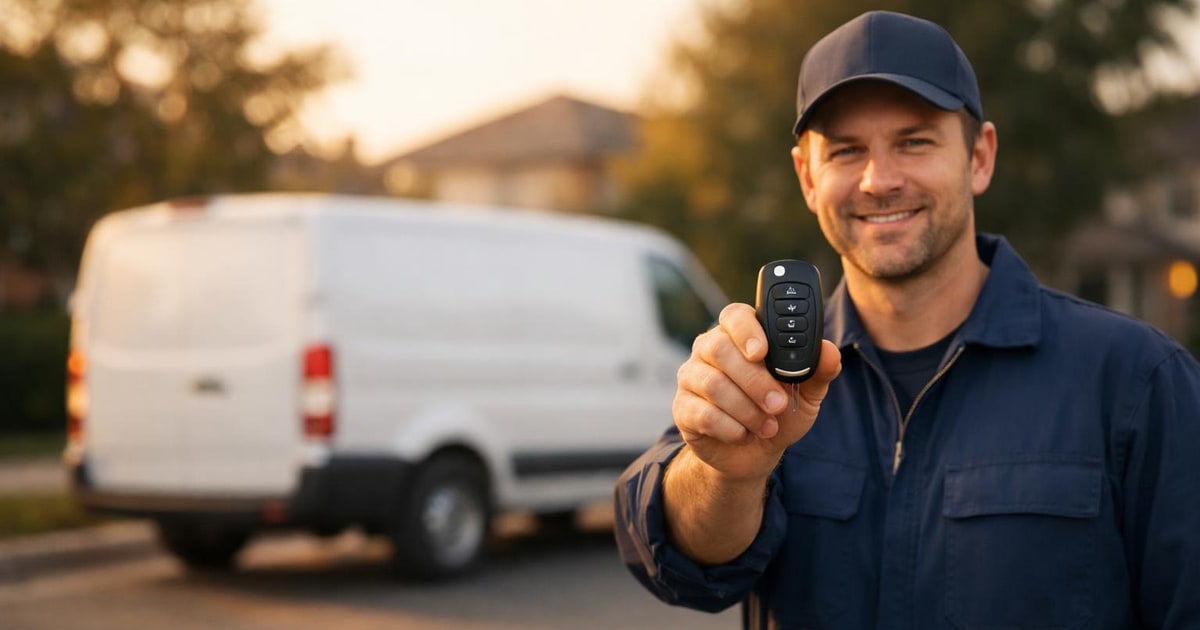
This route is necessary when the original circuit board is damaged by water, physical impact, or electrical failure. It is also the right choice if the key blade is too worn or broken to be reused and the key cannot be disassembled to swap the blade separately. Some modern keys are sealed units that are not designed to be opened without destroying the internal components. In those cases, a full replacement is the only practical option.
Another reason to choose a complete replacement is when the key has been lost entirely. If you have no original to work from, a new key must be made from scratch using the vehicle's VIN or by decoding the lock cylinders. That process involves broken key extraction from the ignition if a broken piece is left inside, followed by cutting a new blade and programming the electronics.
Comparing the two approaches side by side
When you compare housing replacement versus full electronic key replacement, the deciding factors are the condition of the original electronics, the type of damage, and the key design. Housing replacement saves time and money when the electronics are intact and the blade is usable. It is also a good fit for keys with worn buttons or a cracked shell but no internal damage.
Full replacement is needed when the electronics are dead or the key is a sealed unit. It is also the safer choice if the key blade has suffered metal fatigue and could break again soon after being reused. A new blade cut from a fresh blank is stronger than a reused blade that has already been stressed.
There is also a middle ground: some keys allow the blade to be replaced separately without changing the housing or the electronics. If the blade has snapped but the rest of the key is fine, a broken key extraction followed by fitting a new blade into the existing housing is often the most efficient path. This avoids both a full housing swap and a full electronic replacement.
What to check before deciding
Start by examining the broken key. If the plastic shell is cracked but the circuit board and blade are intact, housing replacement is likely the best option. If the blade has broken off inside the ignition, you need a broken key extraction before anything else. If the key has been submerged in water or run through a washing machine, the circuit board may be corroded, and a full replacement is probably necessary.
Also check whether the key uses a transponder chip that is separate from the circuit board. Some older designs have a small glass transponder that sits in a slot in the housing. That chip can be transferred to a new shell, but it must be handled carefully because it is fragile. If the chip is embedded in the circuit board, the entire board must be reused or replaced.
For vehicles with push-to-start systems, the key is often a fob that does not have a visible blade, though many contain an emergency blade hidden inside. A broken key extraction for these systems usually means removing a broken emergency blade from the door lock cylinder, which is less common but still possible. The electronic part of the fob is more vulnerable to damage because it is used daily and dropped frequently.
Professional help for broken key extraction and replacement
Working on a broken key yourself can damage the lock cylinder or the electronic components. A broken key extraction requires the right tools and technique to remove the fragment without scoring the cylinder walls. Similarly, opening a sealed key housing to access the circuit board risks breaking the delicate connections on the board. For most drivers, the practical choice is to have the work done by a professional who handles these jobs regularly.
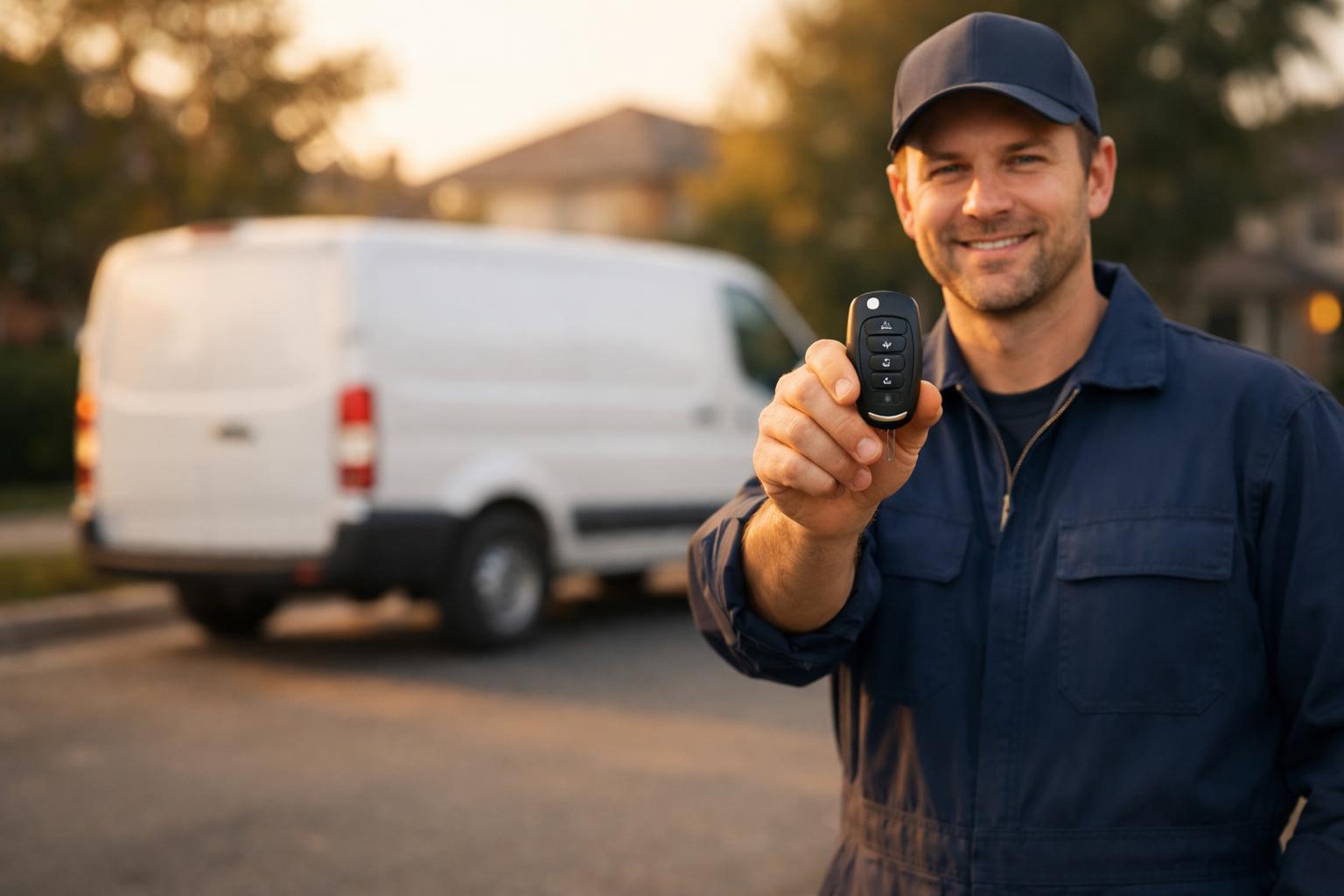
In the Greater Toronto Area, a mobile automotive locksmith like localgtalocksmith.com can perform broken key extraction, housing replacement, and full electronic key replacement at your location. That saves the trouble of towing the car to a dealership or a shop. The technician brings the tools and the key blanks to your car and handles the extraction, cutting, and programming on site. For a housing replacement, they transfer the original electronics into a new shell and test the key before leaving. For a full replacement, they cut and program a new key to match the vehicle.
Which option is right for you
If the key shell is broken but the internal parts are sound, housing replacement is the most straightforward choice. If the key is lost, the circuit board is dead, or the key is a sealed unit, a full electronic key replacement is necessary. If the blade has snapped but the rest of the key is fine, a blade swap after broken key extraction may be the middle path that works best.
No single answer fits every broken key. The key's design, the type of damage, and whether the electronics survived all play a part. Talking to a locksmith who can inspect the key and the vehicle will give you a clear recommendation. A service like localgtalocksmith.com can assess the situation and explain which approach makes sense for your car, saving you from buying parts you do not need or paying for a full replacement when a simple housing swap would do.
The best outcome is a working key that feels solid in your hand and starts the car reliably. Whether that comes from a new housing or a complete key unit, the goal is the same: to get you back on the road without further breakage or lockout troubles.